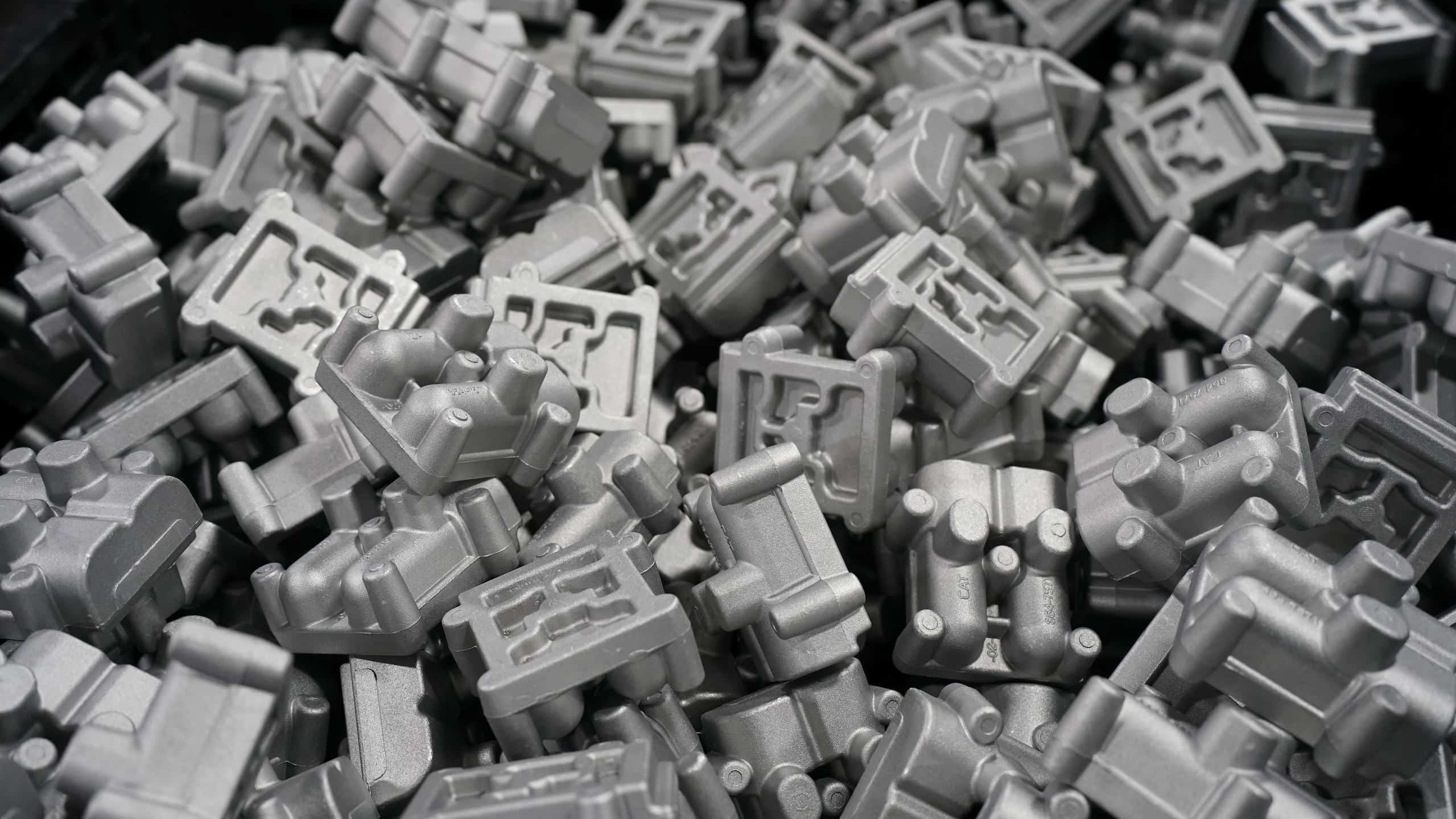
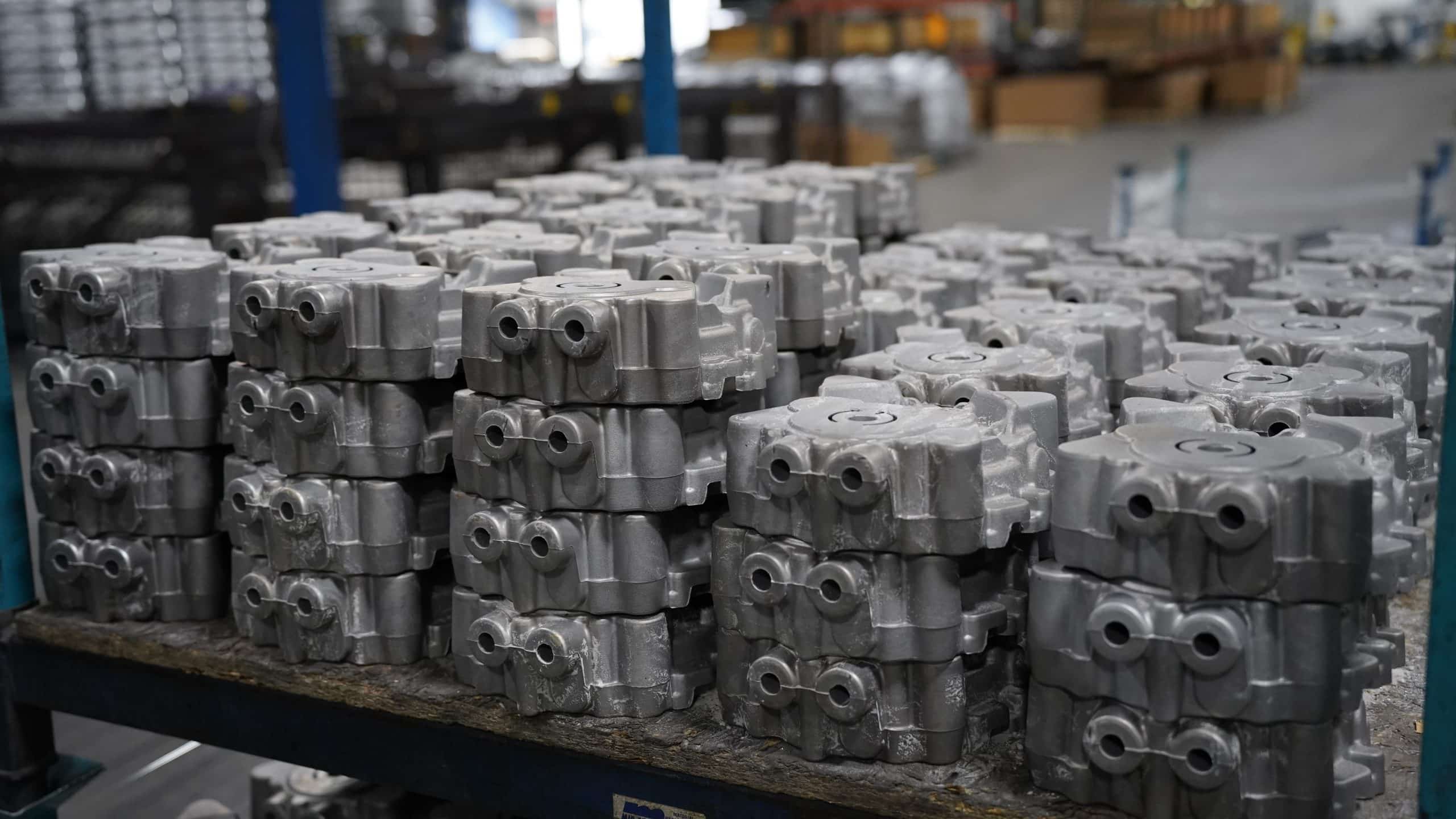
How Do Illinois Aluminum Foundries Support Midwest Manufacturing? Illinois aluminum foundries support Midwest manufacturing by converting engineered part designs into repeatable components close to...
What Makes an Illinois Foundry Competitive Nationally? An Illinois foundry becomes nationally competitive by controlling more than the pouring step. OEM buyers compare process...
What Industries in Illinois Use Aluminum Castings? Industries in Illinois use aluminum castings for components that need lower weight, corrosion resistance, machinability, complex geometry,...
What Industries Do Illinois Foundries Support? Illinois foundries support heavy equipment, transportation, power generation, industrial machinery, infrastructure, government-related manufacturing, agriculture, and other OEM sectors...
What Certifications Do Illinois Aluminum Foundries Typically Hold? Illinois aluminum foundries commonly use ISO 9001 as the foundation of their quality management systems, while...
How Are Aluminum Castings Inspected? Aluminum castings are inspected through a combination of dimensional verification, visual evaluation, non-destructive testing, and process monitoring procedures designed...
How Does Domestic Aluminum Casting Benefit US Supply Chains? Domestic aluminum casting plays an important role in strengthening U.S. manufacturing supply chains by improving...
What Are the Advantages of Aluminum Cast Parts? Aluminum cast parts are widely used across industrial and OEM manufacturing because they provide an effective...
How Do Foundries Control Casting Porosity? Casting porosity is one of the most important quality concerns in aluminum foundry manufacturing. Porosity occurs when gas...